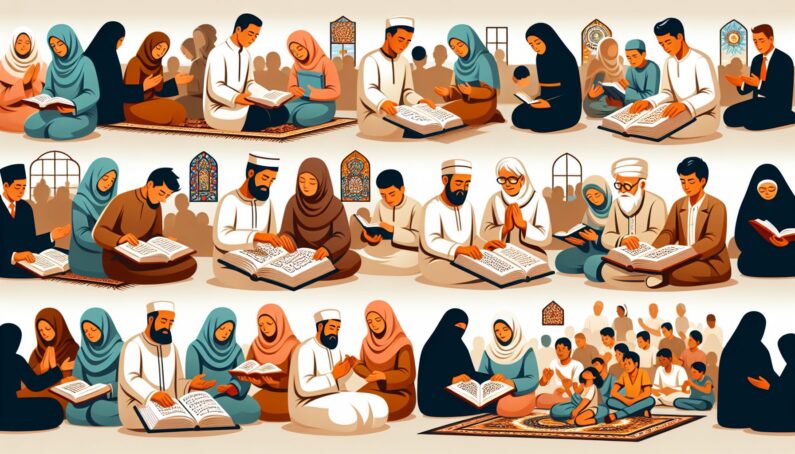
Religion plays a central role in the lives of many individuals around the world, providing purpose, guidance, and community. For religious people, their faith is not just a set of beliefs, but a way of life that shapes their values, actions, and relationships. In this blog post, we will explore the significance of religion for the faithful, including the role of organized religion, the practice of spirituality, and the importance of relationships with God.
Organized Religion and Faith Communities
One of the key aspects of religion for the faithful is the sense of community and belonging that comes from being a part of an organized religious group. Whether it be attending weekly services, participating in religious rituals, or engaging in community outreach programs, organized religion provides a sense of connection to something greater than oneself. In addition, faith communities can offer support, guidance, and a sense of accountability to help individuals on their spiritual journey.
Spirituality and Personal Connection to the Divine
While organized religion provides structure and community, spirituality offers a more personal and intimate connection to the divine. For many religious people, spirituality involves prayer, meditation, and reflection to deepen their relationship with God. It is through these spiritual practices that individuals can find guidance, peace, and a sense of purpose in their lives. By nurturing their spiritual life, the faithful can cultivate a deeper understanding of their beliefs and a stronger connection to their faith.
Relationships with God and the Importance of Faith
At the heart of religion for the faithful is their relationship with God. Whether it be through prayer, worship, or acts of service, individuals seek to foster a meaningful and personal connection with the divine. This relationship is central to their beliefs, values, and actions, guiding them in times of joy, sorrow, and uncertainty. By cultivating a relationship with God, the faithful can find strength, comfort, and hope in the midst of life’s challenges.
The Impact of Religion on Society
Beyond the individual level, religion also plays a significant role in shaping the values and norms of society as a whole. Churches, temples, mosques, and other religious institutions serve as moral compasses, guiding communities in matters of ethics, justice, and compassion. In addition, religious teachings often promote social justice, equality, and care for the marginalized, inspiring individuals to strive for a more just and compassionate society. Through their involvement in religious communities, the faithful can work together to create positive change and make a difference in the world.
In conclusion, religion holds a profound significance for the faithful, shaping their beliefs, values, and actions in profound ways. Whether through organized religion, spirituality, relationships with God, or engagement in society, religion provides a sense of purpose, community, and guidance for the faithful. By embracing their faith and nurturing their spiritual life, individuals can find strength, comfort, and meaning in the midst of life’s challenges, ultimately leading to a deeper connection to the divine and a more fulfilling life.