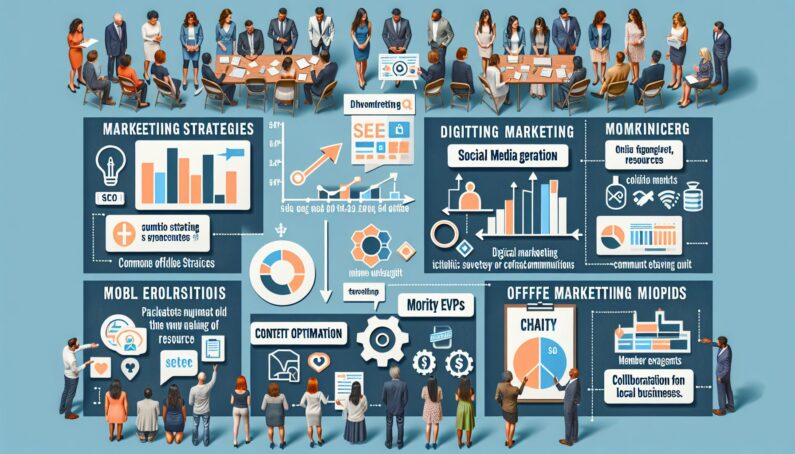
In today’s society, churches and nonprofit organizations are faced with the challenge of standing out in a crowded marketplace. With so many different causes vying for attention and support, it can be difficult to make a meaningful impact and reach those who may need the services the most. However, with the right marketing strategies in place, churches and nonprofits can effectively spread their message, increase their reach, and engage with their communities in a more meaningful way.
One key aspect of successful marketing for churches and nonprofit organizations is a strong online presence. In today’s digital age, people are constantly connected to the internet and social media platforms. By having a well-designed website and active social media profiles, churches and nonprofits can reach a larger audience and engage with their supporters on a more personal level. Share stories of impact, upcoming events, and ways for people to get involved to create a sense of community and connection.
Another important strategy for marketing churches and nonprofits is to focus on storytelling. People are more likely to engage with and support organizations that they feel a personal connection to. Sharing stories of individuals who have been helped by the organization, highlighting the impact of donations, and showcasing the mission and values of the organization can help create emotional connections with potential supporters. Through storytelling, churches and nonprofits can inspire action and motivate others to get involved in their cause.
In addition to storytelling, churches and nonprofits can also benefit from strategic partnerships and collaborations. By teaming up with other organizations, businesses, or influencers who share similar values and goals, churches and nonprofits can expand their reach and access new audiences. Collaborating on events, campaigns, or projects can help to amplify the message and impact of the organization, while also fostering relationships within the community.
Furthermore, churches and nonprofits can use targeted marketing strategies to reach specific audiences and attract new supporters. By utilizing data analytics and demographic information, organizations can tailor their messaging and outreach efforts to appeal to different groups of people. Whether targeting a specific age group, geographic area, or interest category, churches and nonprofits can increase their visibility and engagement by speaking directly to the needs and interests of their target audience.
Ultimately, the goal of marketing for churches and nonprofit organizations is to drive awareness, engagement, and support for their mission and work. By leveraging online platforms, storytelling, partnerships, and targeted marketing strategies, churches and nonprofits can effectively reach their communities, inspire action, and make a meaningful impact in the world. With a strong marketing strategy in place, churches and nonprofits can engage with their supporters in a more meaningful way, build lasting relationships, and continue to spread their message of love, compassion, and service to others.
In conclusion, marketing for churches and nonprofit organizations plays a crucial role in spreading their message, engaging with their communities, and driving support for their mission and work. By focusing on creating a strong online presence, telling compelling stories, forming strategic partnerships, and targeting specific audiences, churches and nonprofits can effectively reach those who may need their services the most and inspire action in ways that align with their values and beliefs. Through these marketing strategies, churches and nonprofits can continue to make a meaningful impact in society and fulfill their mission of serving others in the name of love and compassion.